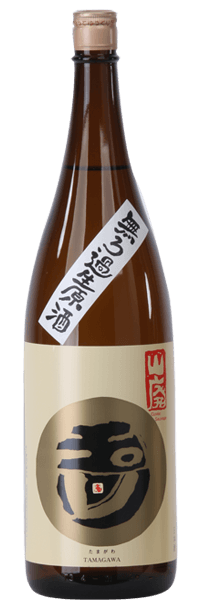
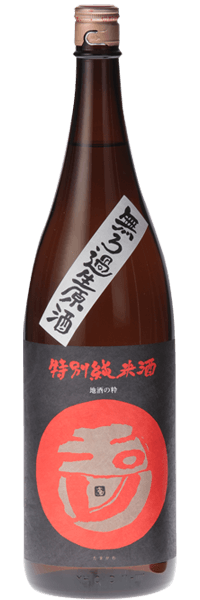
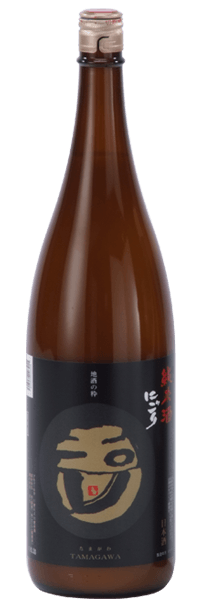
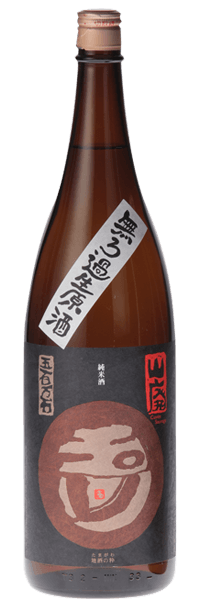
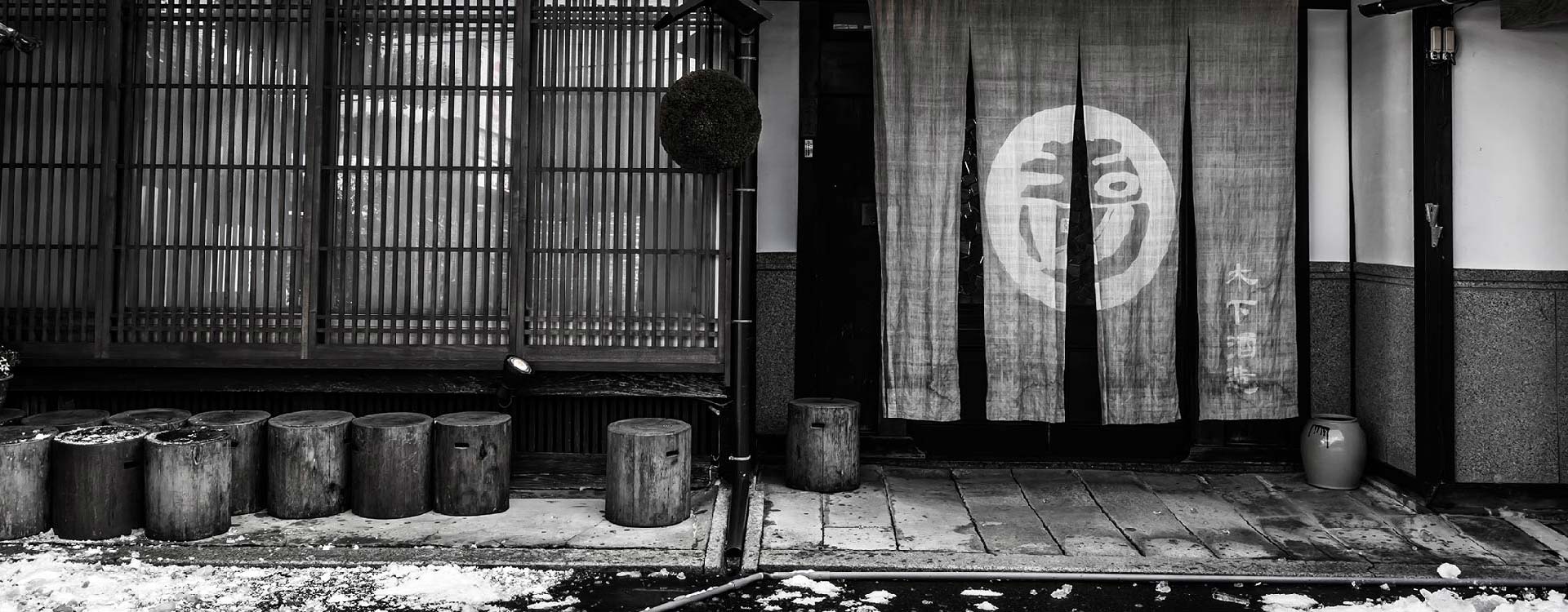
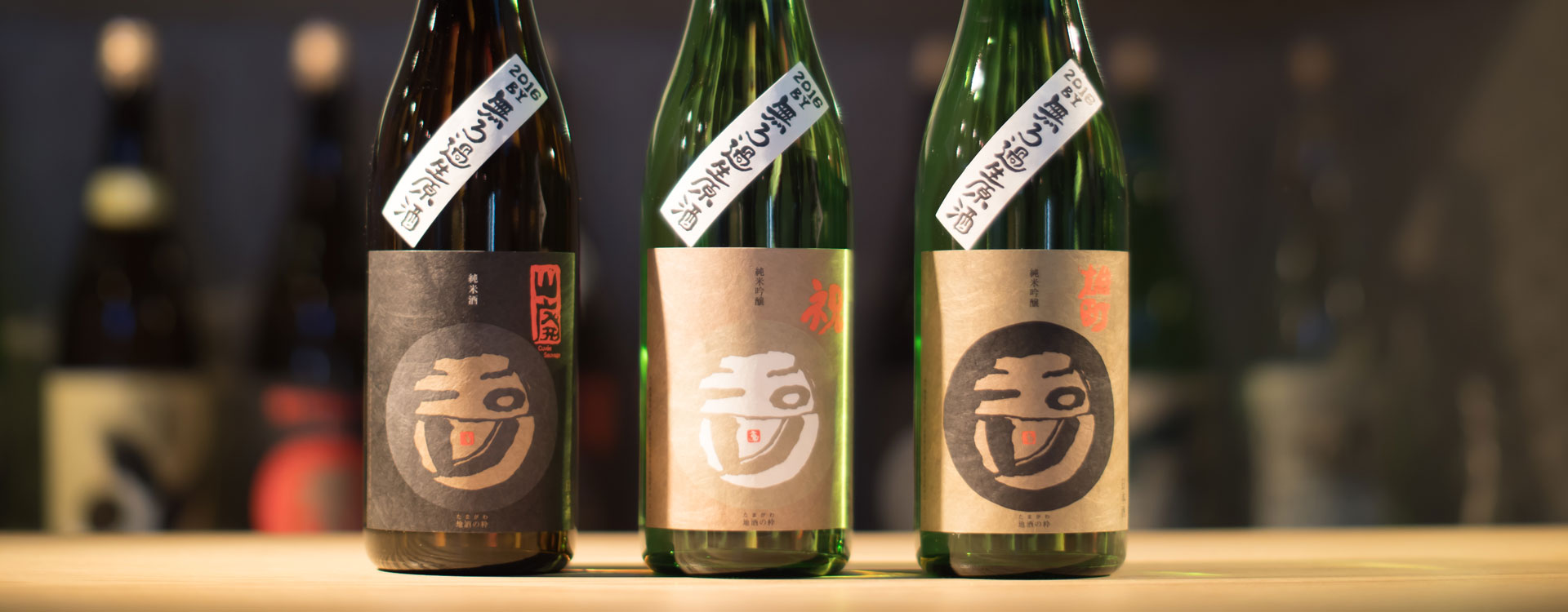
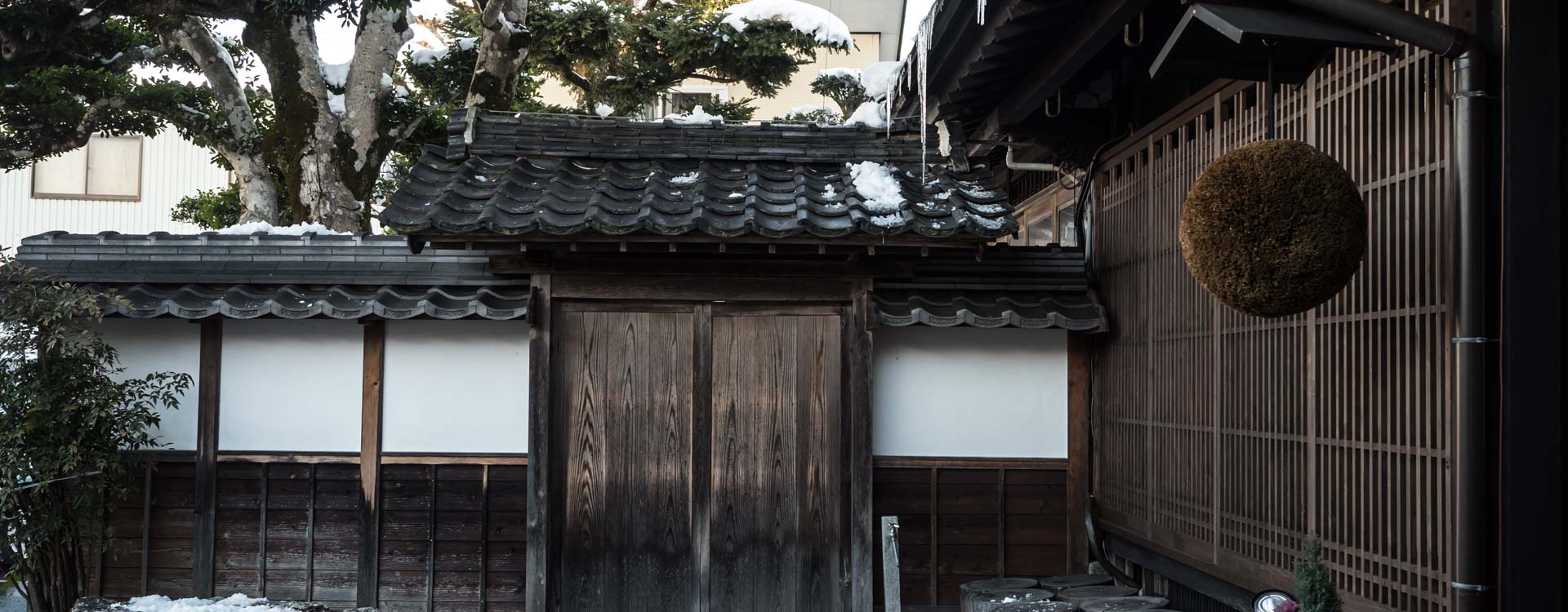
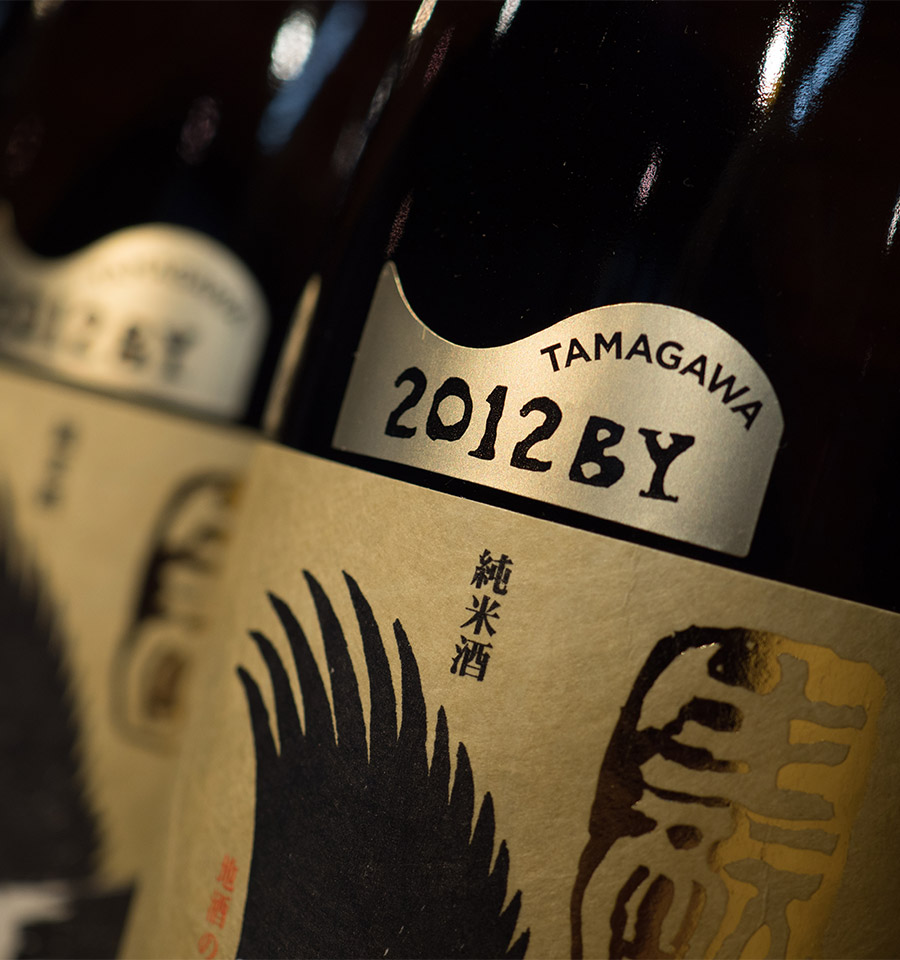
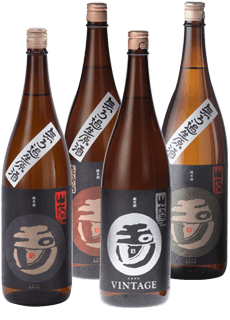
The Kinoshita Brewery, home of Tamagawa Sake.
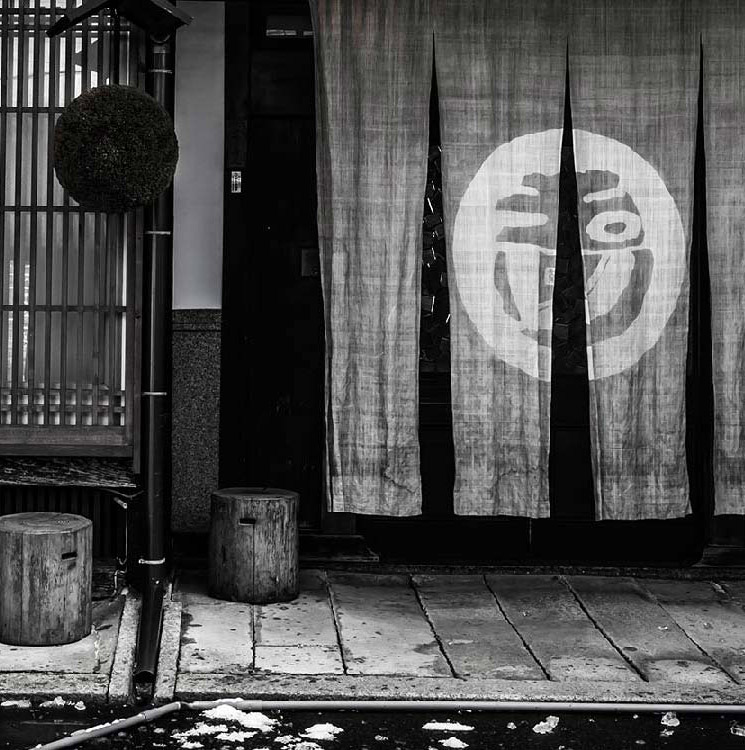
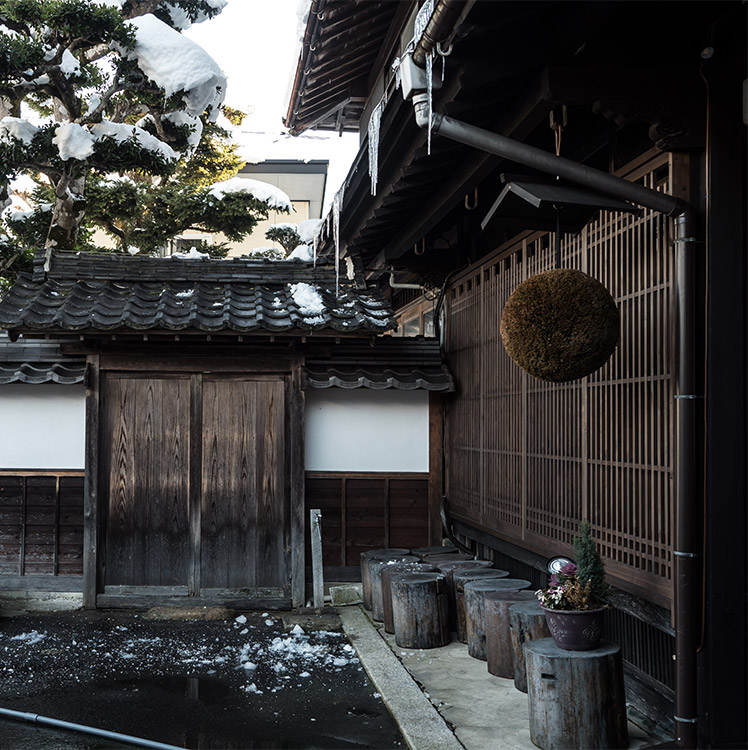
Tamagawa Sake has been made at the Kinoshita family brewery on the same site for five generations, since 1842. The brewery is situated five minutes from the Japan Sea coast on the far north of Kyoto Prefecture. The area has long been a highly regarded region of rice production, and this location, snowy winters and the soft spring water drawn from the mountain behind the brewery combine to make a potent recipe for brewing fine sake.
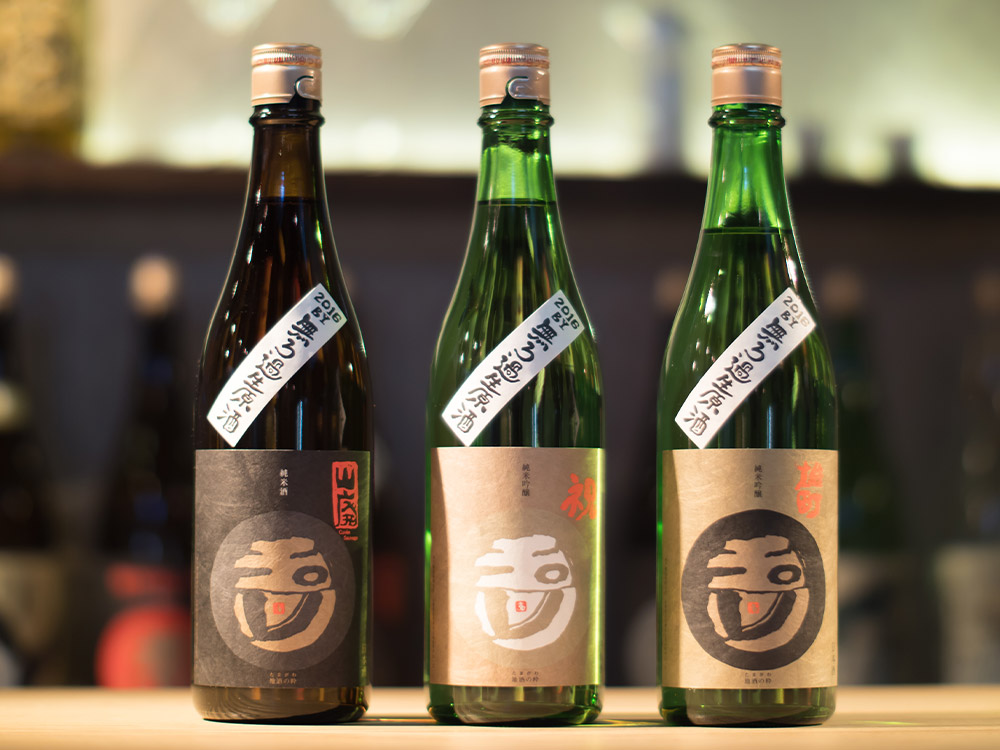
When the toji (master brewer) who had served for over four decades passed away in 2008, the owner found himself facing a critical challenge to the companiesf survival. He resolved to remake Tamagawa for the 21st Century, and took two bold steps to revitalize the firm. First, he restyled his products around a compelling design by his brother-in-law, Sakane Katsusuke, an eminent Japanese artist. Second, he employed Master Brewer Philip Harper, the first and only non-Japanese toji in Japan. He proved his reach by producing both delectably earthy wild-yeast brews and fragrant prize-winning daiginjo in his very first season at the Kinoshita Brewery.
Tamagawa in the Making
The entire production process, from the initial rice polishing, through all the stages of brewing, ageing and bottling, is carried out on site. Brewing itself takes place in a wooden structure as old as the company, and the staff of five works enthusiastically on labour-intensive small batches, hand-brewing sake with soul.
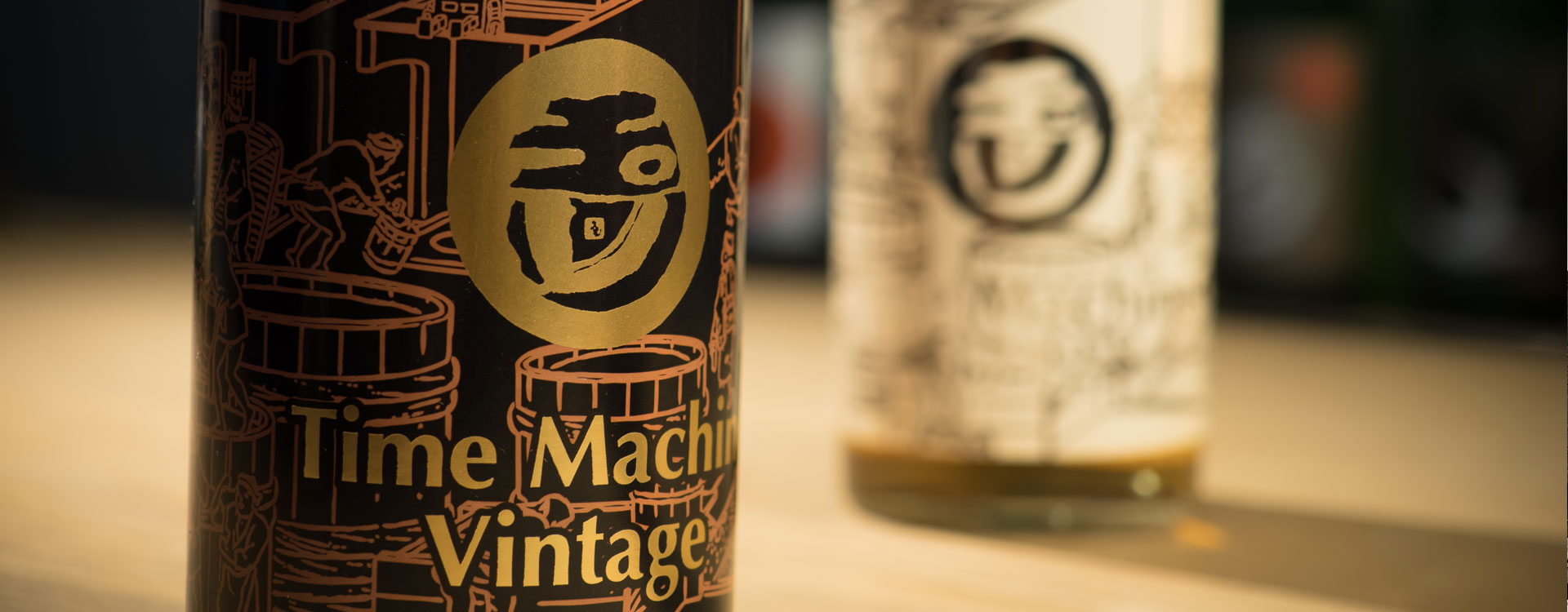
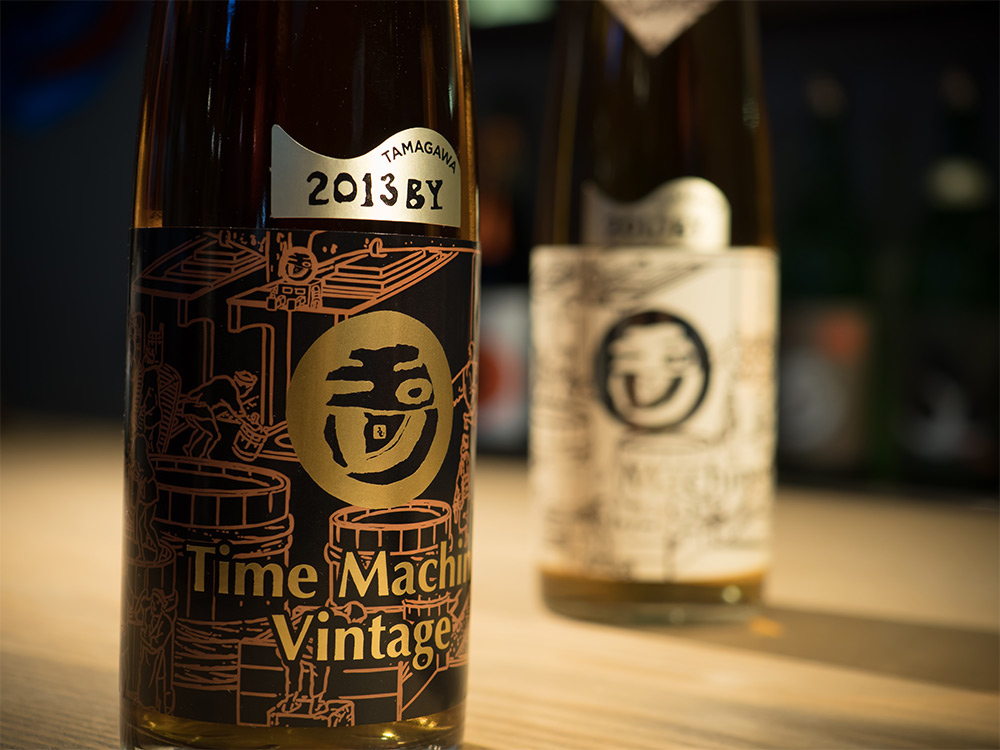
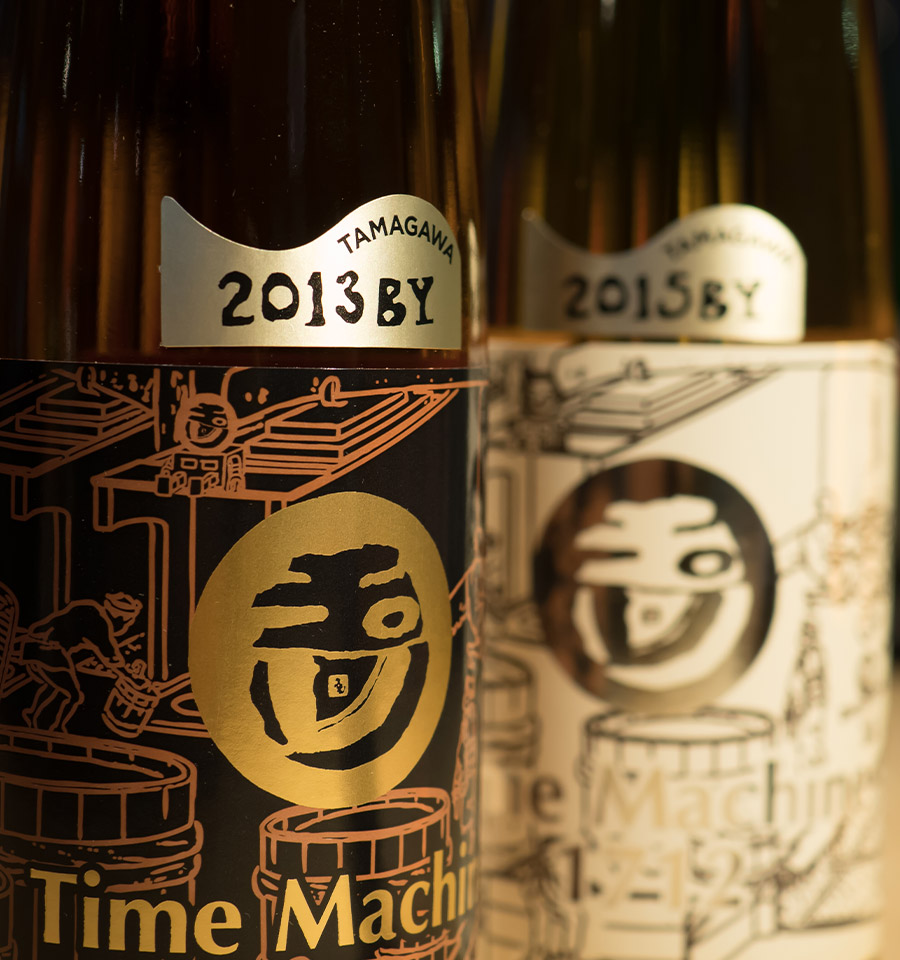
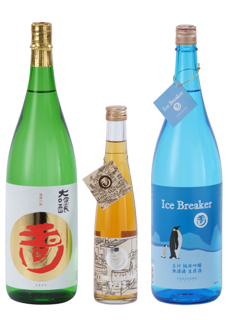
Richly flavoured but still crisp-drinking sake is Tamagawafs forte. Filtration is kept to a minimum across all styles and prices, with a variety of limited editions going out into the world utterly unfiltered. A range of products are brewed in the traditional yamahai and kimoto styles, which are here made in the pre-modern fashion, without using pure yeast cultures. These gspontaneous fermentationh sakes are made simply from water, rice and koji (a mould culture crucial to sake brewing), utilizing microorganisms living wild in the brewery environment in a way that would be familiar to the first craftsmen who worked here over a hundred and fifty years ago, but is vanishingly rare today. The gTime Machineh member of the series raises the bar further by recreating the brewing techniques of three centuries ago.
From fine-lined, elegant daiginjo to full-bodied junmai, Tamagawa sake offers a heady combination of art, craft and heritage to enrich any occasion and enhance any meal.
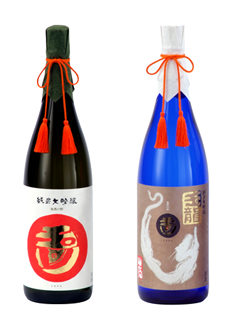
Tamagawa Kinsho Daiginjo
Every year, Japanfs sake brewers push their limits in their quest for a prestigious Gold Medal (Kinsho) in the National New Sake Awards. In this unforgiving arena, a rice polishing ratio of 35% (only 35% at the centre of the grain remaining) is the norm. Tamagawafs entry strolled into the 2008 awards with a milling ratio of only 50% |like a featherweight boxer seeing off heavyweight competition. It then piled on further laurels when it received yet another Gold Medal at the USA National Sake Appraisals the same year.
As one expects of a Gold Medal sake, it shows impeccable aromatics. the gamboling fruit and floral displays that swept it past the unforgiving scrutiny of the judges shortly after it was pressed in spring 2008 now joined by riper fruit and grassy nuances after a full year of bottle conditioning at minus seven degrees Centigrade. That period has brought a silky viscosity to flesh out the texture. A particularly round and full-flavoured presence amongst medal-winning sakes even when new, the glacial incrementations of flavour achieved by bottle-ageing at low temperatures impart a subtle extra layer of depth, making this a daiginjo sake with exceptional versatility across a wide range of temperatures. With the charisma to be perfectly happy in the spotlight alone as an aperitif, Tamagawafs Kinsho Daigino is also a prize-winning accompaniment to a wide range of dishes, both Japanese and otherwise.
|